
Why results aren’t one-size-fits-all: and what to focus on instead
There’s a common message in the fitness space that sounds something like:
“Do this workout, and you’ll look like this.”
It’s simple. It’s appealing. And it’s everywhere.
But it’s also not how the body actually works.
While that kind of messaging may not be intentionally harmful, it can be — especially when it reinforces the idea that results are just one workout away if you follow the “right” plan.
In reality, our bodies are far more individual than that.
The Myth of “If You Do This, You’ll Look Like That”
You’ve probably seen it before — a workout routine tied to a specific result or body.
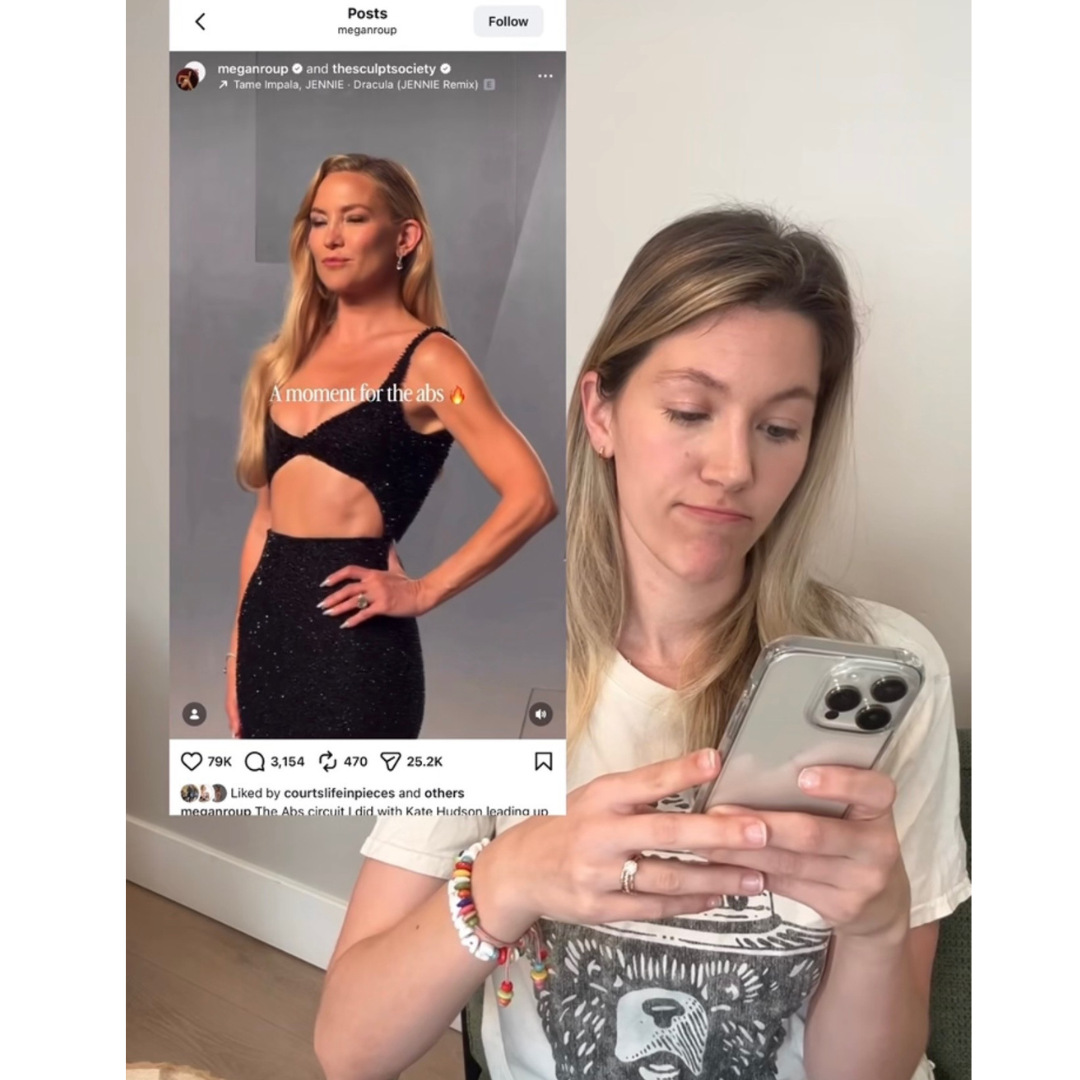
Recently, I came across a social media post breaking down an ab circuit used by Kate Hudson to prep for the Oscars.
You can check out my reel on this subject: HERE
The implication was subtle, but familiar: follow this program, and you’ll get similar results.
The problem isn’t the workout itself.
It’s the expectation attached to it.
Because your body isn’t Kate Hudson’s body. Mine isn’t either.
And no single workout — no matter how effective — can guarantee a specific aesthetic outcome.
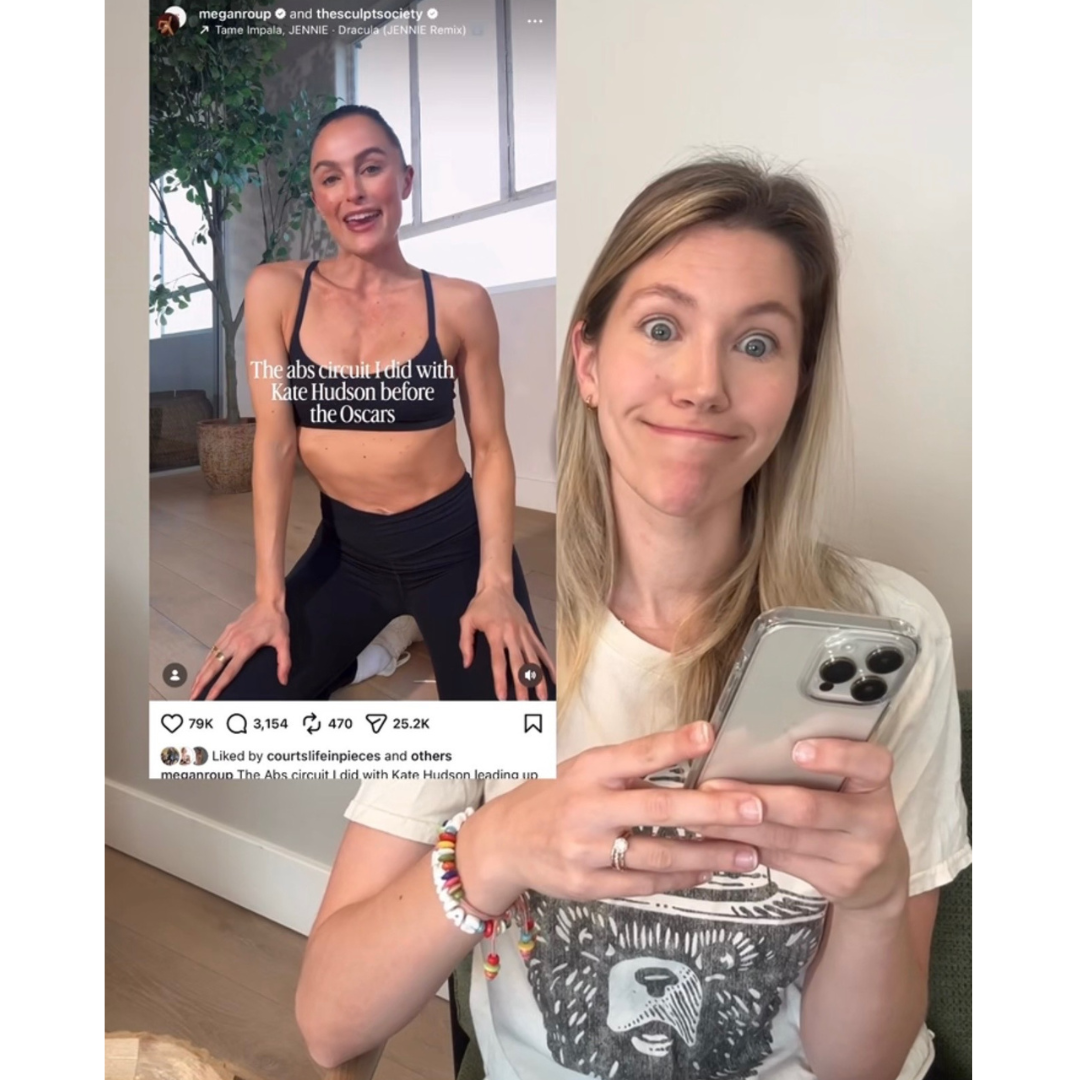
Why Your Body Responds Differently
From a scientific perspective, here are a few reasons why two people won’t get identical results from the same workout:
Genetics have a major influence on someone’s propensity to gain muscle (PMID: 18436694), as well as how their body distributes fat.
Nutrition affects body composition, and individuals can have different nutritional needs.
Recovery impacts how the body responds to exercise. Poor sleep and stress play a role here.
Simply put: doing an ab circuit isn’t going to make us all have the same abs.
That’s not a problem to fix — it’s simply how human bodies work.
A More Sustainable Approach to Fitness
When you remove the expectation of looking like someone else, something shifts.
The focus becomes:
building strength in your own body
improving how you move and feel
creating consistency without burnout
Instead of chasing an external result, you’re working toward something internal and sustainable.
This is what I mean when I talk about Intuitive Fitness™.
It’s not about doing less — it’s about doing what actually supports your body.
Shifting the Questions You Ask
Rather than asking: “Will this make me look like her?”
A more helpful approach is to ask:
Is this helping me get stronger?
Does this feel good in my body?
Can I come back to this consistently?
That shift changes everything.
Because now, your progress isn’t tied to comparison — it’s tied to your own personal experience.
If You’re Ready for a Different Approach
If you’re looking for a way to build strength that’s rooted in function, movement quality, and long-term consistency — not just aesthetics — that’s exactly what we focus on inside Loa Movement.
Our workouts are:
designed by Doctors of Physical Therapy
focused on strength, mobility, and stability
around 30 minutes and easy to fit into real life
created to support your body, not push it past its limits
You can try 3 FREE Loa Movement classes → [TAP HERE]
Because fitness should support your body — not work against it.